
How to Identify Fake Air Jordan Sneakers: Full Authentication Guide
Alright, let’s dive right in — the replica shoe market is truly enormous, and Air Jordans are the most targeted prey. Industry analysis estimate that fake sneakers represent approximately $450 billion in worldwide trade every year, and Jordan Brand models make up a outsized chunk of that figure. Whether you’re shopping from a secondary seller, an web marketplace, or even a brick-and-mortar shop that looks a little too good to be true, mastering how to check your pair is essential — it’s essential. I’ve with my own eyes reviewed numerous of pairs over the years, and the replicas have gotten scarily accurate, notably since 2024. This resource walks you through every verification step I use when inspecting Air Jordans, from the shoebox to the outsole and everything in between. Keep this one, because it just might rescue you from wasting $250 on a pair of sneakers that cost someone $12 to manufacture.
Start With the Box: Your First Line of Security
The shoebox itself contains a set of clues that counterfeiters regularly miss, so inspect it before you even look at the shoes. Genuine Jordan shoeboxes have a characteristic density and tactile quality to the packaging material — it’s robust, with a subtle matte coating that feels high-quality to the touch. Look at the product label on the end of the box for the proper model number, size, and colorway designation, then verify this details against official website Nike’s main product database or reputable sources like Nike.com. The text on genuine labels is sharp and consistently spaced, while knockoffs frequently feature sloppy kerning, marginally heavier text, or mismatched font styles. Carefully examine the barcode — scan it with any barcode reader app and verify it returns the proper item details. The packing paper inside official boxes also has a characteristic feel and density; counterfeit boxes often uses lighter, low-grade paper that falls apart more easily. Many veteran authenticators can recognize a fake within 30 seconds just by looking at the box, so never ignore this important first step.
Checking the Shoe Construction and Materials
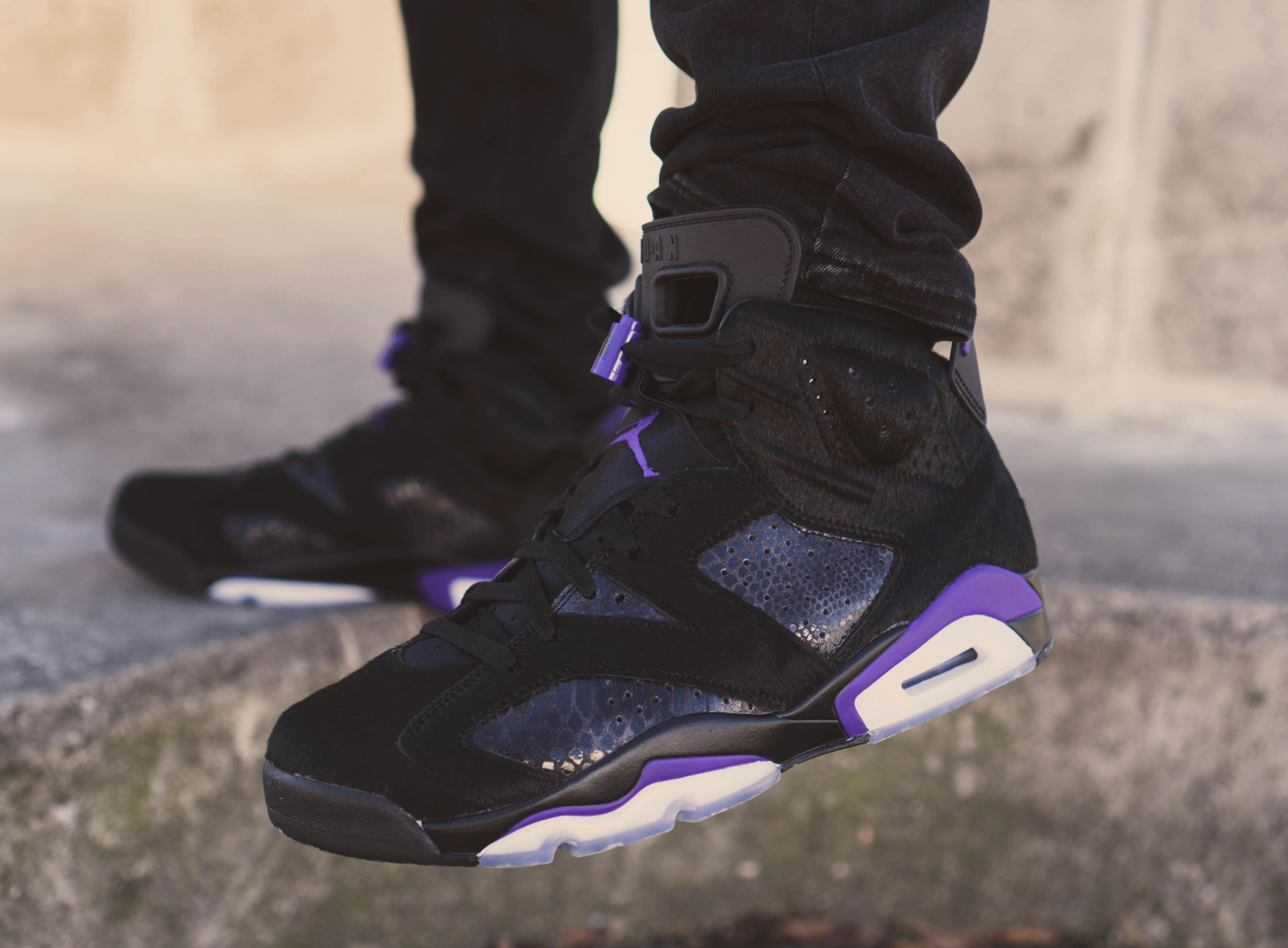
Authentic Air Jordans use superior materials with a buttery, consistent grain pattern across the complete upper — take the pair and assess the leather firsthand. On the Air Jordan 1, legitimate leather panels should be soft but firm, not plastic-like or overly stiff, and the tumbled panels on select editions should have a authentic, irregular texture rather than a pressed, identical pattern. The stitching is one of the most consistent tells: legitimate pairs feature close, even stitches with no stray threads, fraying, or inconsistent spacing. Check the stitches on key areas like the swoosh and the wing panel — Nike maintains accurate stitch quantities that change by shoe and size, and replica makers hardly ever nail these precisely. The general shape of the pair is important too; genuine Air Jordan 1s have a recognizable hourglass silhouette when seen from behind, while many counterfeits look unnaturally straight or square. Slide your finger along the midsole where it meets the upper — genuine shoes have clean, tight adhesion with no noticeable glue residue or separations.
The Outsole and Air Unit: Elements That Fakes Miss
Rotate the pair over and check the sole pattern closely against verified images from authorized releases. Legitimate Air Jordan soles have sharp tread patterns with sharp lines and regular groove depth across the whole bottom. The rubber material on authentic pairs has a characteristic firmness and slight transparency on specific models (like the Air Jordan XI’s translucent outsole) that bootleg factories have difficulty to duplicate correctly. Apply pressure firmly on the heel section to check the Air unit — real Nike Air technology has a distinctive spring that low-quality foam fillers just can’t mimic. On models with see-through Air units, like the Air Jordan 3, 4, or 5, review the Air capsule for transparency, correct sizing, and accurate placement within the midsole chamber. The Jumpman logo on the outsole should be sharply visible with no running or defects in the lines, and on the Air Jordan 3, the body ratios of the figure should replicate verified reference images spot-on. Color matching between the outsole and midsole is another giveaway — counterfeits regularly have minor hue variations that are immediately obvious when held next to with retail pairs.
Tags, Labels, and the Nike Size Tag Deep Dive
For good reason, the inner size label is arguably the single most scrutinized element in shoe verification — it carries levels of checkable information. Real Nike sizing labels print particular typefaces, spacing, and layout that evolve from time to time, so you must match against tags from the identical manufacturing window. The tag should include the proper style code matching the box, a manufacturing date that corresponds to the established release date, and plant codes that point to certified Nike factories. In 2026, Nike sizing labels commonly include a scannable QR code alongside the standard barcode label — scan both and verify they link to valid product information. The printing quality should be crisp with no smudging, and the tag fabric itself should be smooth and a bit waxy, not grainy or flimsy. I always advise taking a photo of the tag under zoom and verifying it against confirmed legitimate pairs from databases run by verification services like CheckCheck or Legit Check. If any individual aspect on the label looks wrong — incorrect font, uneven spacing, odd material — regard it as a warning sign important enough to reconsider the transaction.
The Smell Test and Other Physical Checks
This might seem unusual if you’re new to sneaker authentication, but veteran experts know that legitimate Air Jordans have a characteristic scent that’s practically very hard to duplicate. Real Nike shoes have a fresh, delicate leather and rubber smell that comes from the particular ingredients and adhesives used in Nike-contracted factories. Counterfeit kicks frequently give off harsh chemical fumes, heavy industrial adhesive, or have an sprayed-on “new shoe” smell that’s been sprayed on to mask production odors. Beyond the sniff test, put on a scale the shoes — authentic pairs within the same model and size should measure within a couple of grams of each other, and many verification resources list official weight specs for sought-after models. Press the sole carefully and pay attention; real Air technology makes a subtly hollow, ringing tap, while solid foam replicas often make a more muted thud. Examine the inside lining for uniform smoothness — genuine pairs have carefully applied linings without puckering, wrinkles, or showing glue. These sensory inspections reinforce the eye-based check and provide more clues that bolster your complete evaluation.
| Authentication Checkpoint | What to Look For | Common Fake Giveaways |
|---|---|---|
| Packaging and labels | Right SKU, sharp text, scannable barcode | Irregular text, incorrect font thickness, dead barcodes |
| Materials and leather | Supple grain, consistent texture across panels | Plasticky feel, stamped repetitive patterns |
| Stitch quality | Consistent spacing, proper stitch count, no fraying | Uneven gaps, loose threads, mismatched thread colors |
| Outsole | Precise traction pattern, correct rubber firmness | Faint grooves, incorrect rubber formula, shade difference |
| Product tag | Correct fonts, valid QR/barcode, proper factory codes | Blurry text, incorrect kerning, non-functional QR codes |
| Air Unit | Bouncy cushioning feel, transparent Air bubbles | Flat foam feel, cloudy or off-center Air bubbles |
| Aroma | Clean leather and rubber smell | Pungent chemical or heavy adhesive smell |
Using Technology and Third-Party Authentication Services
Tech tools and third-party verification services provide an invaluable backup when your own review can’t give a definitive answer. Apps like CheckCheck and Legit Check by Ch enable you to provide thorough photos and be sent professional evaluations, generally within a few hours, for a charge between $5 and $15. Ultraviolet examination shows hidden details — official Nike shoes regularly have unique blacklight-visible markings and glue patterns placed during quality control in official plants. Some serious buyers pick up USB microscopes (priced for under $50) to examine stitching and label printing at zoom levels that expose even the most realistic fakes. In 2026, Nike’s own SNKRS app features upgraded authentication features for direct purchases, including blockchain-based authentication certificates for chosen limited-edition drops. Never hold back to use several checking techniques together — trained checkers use a baseline of five verification points before rendering a decision, and you should use the same method for any purchase above $150.
Where to Purchase and Alerts to Steer Clear Of
The most foolproof way to avoid fakes is shopping from authorized retailers, Nike itself, or well-known resale platforms with embedded legit-checking. StockX, GOAT, and eBay’s Authenticity Guarantee all utilize expert inspectors who review every pair before delivering. Be incredibly wary of Instagram sellers promoting “crazy low prices” on desired editions — if a $400 pair is offered for $150, there’s a reason. Look out for sellers who won’t provide additional photos, pressure rapid sales, or insist on unprotected payment types like cryptocurrency or gift cards. Fresh accounts, catalog images instead of real product images, and non-specific product info are significant warning signs. Always ask for timestamped photos with the seller’s name visible before committing to private sales. The fundamental rule hasn’t changed: if the listing appears too good to be true, walking away is always less expensive than paying for fakes.